Föregångskvinnor och pionjärer
Många kvinnor var aktiva i kampen för kunskap, som lärare och som grundare av skolor. En del av dem presenteras här, liksom några av de första kvinnorna som disputerade.
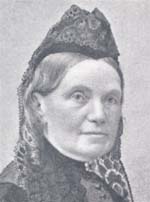
Sophie Adlersparre, 1823-1895, grundade bl.a. söndags- och aftonskolor för arbetarklassens döttrar. Grundare av Fredrika Bremerförbundet. Läs mer.
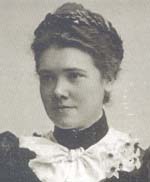
Astrid Cleve, 1875–1968, botanist, geolog och kemist. Första kvinnan i Sverige som doktorerade i ett naturvetenskapligt ämne (botanik). Läs mer.
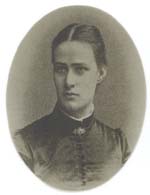
Elsa Eschelsson, 1861-1911, Sveriges första kvinnliga doktor i juridik och Nordens första kvinnliga docent. Läs mer.
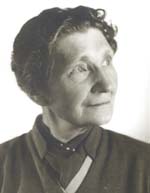
Emilia Fogelklou, 1878–1972, lärare, författare, Sveriges första kvinnliga teologie kandidat, 1909. Läs mer.

Ellen Fries, 1855-1900, doktor i historia, verksam som lärare, studierektor och författare. Läs mer.
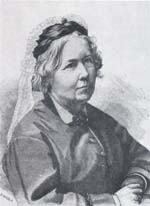
Cecilia Fryxell, 1806-1883, pedagog och handledare för blivande lärare, fick stor betydelse för den svenska flickskolans utveckling. Läs mer.

Honorine Hermelin, 1886-1977, lärare. En av grundarna av Kvinnliga medborgarskolan vid Fogelstad och dess rektor 1925-1954. Läs mer.

Ellen Key, 1849-1926, författare, pedagog, kvinnosaksideolog. Läs mer.

Betty Pettersson, 1838-1885, Sveriges första kvinnliga student, 1871, och första kvinnan som tog akademisk examen, 1875. Läs mer.
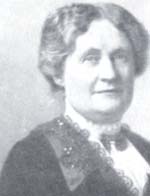
Anna Sandström, 1854-1931, pedagog och författare, grundare av den pedagogiska tidskriften Verdandi. Läs mer.

Lydia Wahlström, 1869-1954, historiker, pedagog, författare. Läs mer.

Anna Whitlock, 1852-1930, pedagog och kvinnosakskämpe. Läs mer.
Betydelsefulla var också:
Anna Ahlström, 1863-1943, avlade studentexamen vid Wallinska flickskolan i Stockholm 1885. Studerade vid Uppsala universitet, fil.kand.examen 1891, första kvinnliga doktor i romanska språk 1899. Grundade 1902 Nya Elementarskolan för flickor i Stockholm och var dess föreståndarinna fram till 1943 (titeln "rektor" var förbehållen män). Tog 1904 initiativ till bildandet av Akademiskt Bildade Kvinnors Förening.
Hilma Borelius, 1869-1932, litteraturhistoriker och aktiv i kvinno- och rösträttsrörelsen. Växte upp i Lund och tog studenten som privatist vid Katedralskolan, 1891. Skrevs in vid Lunds universitet, som en av sammanlagt 14 kvinnor under 1890-talet. Ordförande i Lunds kvinnliga studentförening, 1900-1903, och i Lundaavdelningen av FKPR, Föreningen för kvinnans politiska rösträtt, 1903-1908. 1909 disputerade hon, som första kvinna vid Lunds universitet. Avhandlingen hade titeln Erik Gustaf Geijer : åren före affallet. Samma år blev hon Skandinaviens första kvinnliga docent i litteraturhistoria. Hon fick trots detta ingen tjänst, eftersom kvinnor ansågs olämpliga som universitetslärare. 1922 fick hon ett vikariat som professor i litteraturhistoria och 1923 ett sexårigt docentstipendium, efter diskussioner och stridigheter. Medlem av Fredrika Bremer-förbundet, flitig skribent i Hertha.
Sonja Kovalevsky, 1850-1891, rysk matematiker. Kom till Sverige 1883 och blev landets första kvinnliga professor, i högre matematisk analys. Hennes lön var 4.000 kr/år, manliga professorer fick 7.000 kr. Många protesterade mot utnämningen, bl.a. August Strindberg. 1888 vann Kovalevsky (anonymt) Bordinpriset, franska vetenskapsakademiens tävling. P.g.a. arbetets förtjänster höjdes prissumman från 3000 till 5000 francs, den största vetenskapliga utmärkelse som dittills tillfallit en kvinna. Kovalevsky verkade i Sverige i sju år. Hon skrev även skönlitteratur, t.ex. Ur ryska lifvet : systrarna Rajevski och Vera Vorontzoff : berättelser ur ryska lifvet.
Hulda Lundin, 1847-1921, slöjdpedagog, grundare av ett slöjdlärarinneseminarium i Stockholm.
Valfrid Palmgren Munch-Petersen, 1877-1967, bibliotekspionjär och språkpedagog. Elev och senare lärare vid den av hennes far grundade Palmgrenska skolan i Stockholm, Sveriges första läroverk med samundervisning för flickor och pojkar. 1905 fick hon anställning vid Kungliga Biblioteket, som Sveriges första kvinnliga biblioteksassistent. Där organiserade hon kurser för bibliotekspersonal, de första i sitt slag i landet. Palmgren var starkt engagerad för folkbildning, som hon ansåg skulle bedrivas genom de allmänna biblioteken. 1910 blev hon invald i Stockholms stadsfullmäktige och fick därigenom möjlighet att driva biblioteksfrågorna politiskt. Redan tidigare hade hon utsetts till regeringens ensamutredare av folkbiblioteksväsendet. I sitt betänkande, som kom 1911, föreslog hon bl.a. statsbidrag till skolbibliotek, till studiecirkelverksamhet och till vandringsbibliotek. Hon föreslog också att en statlig biblioteksbyrå, med anställda konsulenter, skulle inrättas. Hennes förslag antogs till största delen och kom att få stor betydelse för det svenska biblioteksväsendets utveckling.
Eva Rodhe, 1836-1919, pedagog. Ledare för Uddevalla elementarläroverk för flickor, 1862-1878. Reste därefter utomlands för att studera skolväsendet i Tyskland, Frankrike och Italien, fr.a. undervisningen i de lägsta klasserna. Startade 1881 Praktiska arbetsskolan i Göteborg, som hon förestod till 1904. Skolan tog även emot barn som inte uppnått skolådern, samskoleidén tillämpades och slöjd och handarbete var viktiga ämnen. På Rodhes initiativ infördes skolköksundervisning vid Göteborgs folkskolor och 1892-1910 var hon inspektris för undervisningen. Ledamot av Göteborgs allmänna folkskolestyrelse 1890-1910, av barnavårdsnämnden 1908-1910.
Sigrid Rudebeck, 1831-1924, pedagog. Genomgick Cecilia Fryxells seminarium i Kalmar, studerade utomlands, därefter privatlärare. 1866 blev hon föreståndarinna för Majornas elementarläroverk för flickor i Göteborg. 1869 grundade hon Sigrid Rudebecks elementarskola för flickor, som hon ägde och ledde till 1904. Skolan gick i spetsen för flickskolornas pedagogiska utveckling. Rudebeck lade stor vikt vid praktiska ämnen, handarbetsundervisningen var viktig från starten, 1880 infördes träslöjd, 1887 huslig ekonomi med klädsömnad, vilket skolan var först i Sverige med. Även i läsämnena tillämpades nya undervisningsmetoder.
Karolina Widerström, 1856-1949, med.lic. 1888 och Sveriges första legitimerade kvinnliga läkare. Gynekolog i Stockholm, arbetade för att förbättra kvinnors sociala villkor, engagerad i kampen mot den reglementerade prostitutionen. Medicine hedersdoktor vid Karolinska institutet 1933. Aktiv i Akademiskt bildade kvinnors förening och dess ordförande 1911-1918. Ordförande för Landsföreningen för kvinnans politiska rösträtt 1918-1921, vice ordförande i Fredrika Bremer-förbundet 1921-1935. Widerström var frisinnad och satt 1912 till 1915 i Stockholms stadsfullmäktige.
Mer litteratur om och av personerna ovan finner du i databaserna KVINNSAM och LIBRIS.