
Pionjärer
Kvinnorörelsens rötter går tillbaka till 1700-talets upplysningstänkande. 1791 skrev den franska författaren och revolutionära feministen Olympe de Gouges "Déclaration des droits de la femme et de la citoyenne", en kvinnornas egen rättighetsförklaring, på engelska "The Rights of Women". Den blev en inspirationskälla för Mary Wollstonecrafts "A Vindication for the Rights of Woman", 1792.
I Sverige talar man om kvinnorörelsens tre vågor: ca 1880-1920, framför allt rösträttsrörelsen, andra vågens kvinnorörelse på 1960- och 1970-talet, och nyfeminismen vid millennieskiftet.
"Kvinnorörelsens mål har genom åren varit ett och detsamma: att skapa ett jämställt samhälle utan förtryck på grund av kön", skrev fil.dr. Gunnel Karlsson i katalogen till vandringsutställningen "Kärlek, makt och systerskap", som invigdes 2002.
Här presenterar vi några av kvinnorörelsens pionjärer.
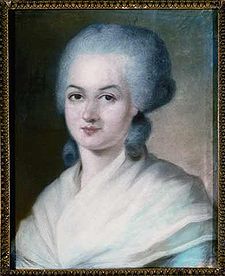
Olympe de Gouges, 1748-1793, fransk författare och revolutionär feminist. Läs mer.
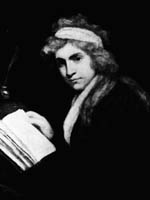
Mary Wollstonecraft, 1759-1797, engelsk författare och feminist. Läs mer.
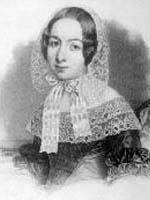
Fredrika Bremer, 1801-1865, betraktas som den svenska kvinnorörelsens pionjär. Läs mer.

Ellen Key, 1849-1926, författare, pedagog, rösträttskämpe och kvinnosaksideolog. Läs mer.
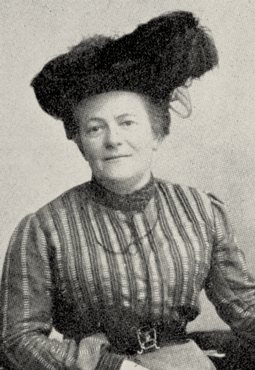
Clara Zetkin, 1857-1933, tysk feminist och politiker, först socialdemokrat, sedan kommunist. Läs mer.
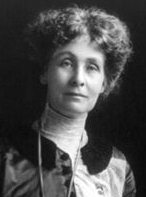
Emmeline Pankhurst, 1858-1928, brittisk kvinnosaks- och rösträttskämpe. Läs mer.
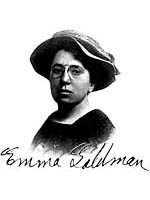
Emma Goldman, 1869-1940, född i Litauen, emigrerade till USA 1885. Agiterade tillsammans med Alexander Berkman för anarkismen. Läs mer.

Aleksandra Kollontaj, 1872-1952, sovjetisk politiker, diplomat och författare, var 1930-1945 Sovjetunionens ambassadör i Sverige. Läs mer.
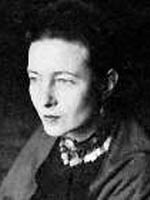
Simone de Beauvoir, 1908-1986, fransk författare och existentialistisk filosof. Publicerade 1949 "Le deuxième sexe", en klassiker inom den feministiska litteraturen. Läs mer.
Mer litteratur om och av personerna ovan finner du i databaserna KVINNSAM och LIBRIS.