
Förgrundskvinnor och -män
Många kvinnor och även en del män var aktiva i kampen för rösträtt. Några av dem presenteras här.
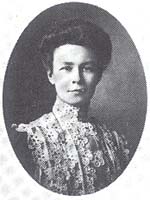
Signe Bergman, 1869-1960, ordförande i Landsföreningen för kvinnans politiska rösträtt 1914-1917. Läs mer.
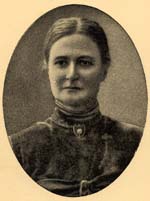
Anna Bugge Wicksell, 1862-1928, norsk-svensk kvinnosaks- och fredsaktivist. Läs mer.
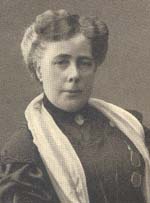
Frigga (eg. Fredrika) Carlberg, 1851-1925, bildade Föreningen för kvinnans politiska rösträtt i Göteborg. Läs mer.
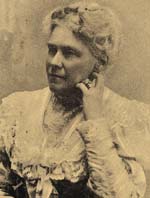
Ann Margret Holmgren, 1850-1940, författare, kvinnosakskvinna och fredskämpe. Läs mer.
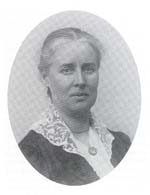
Gulli Petrini, 1867-1941, fil. dr i fysik, lärare och liberal politiker. Läs mer.
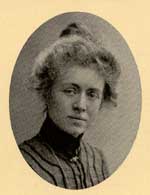
Frida Stéenhoff, 1865-1945, författare och samhällsdebattör. Läs mer.
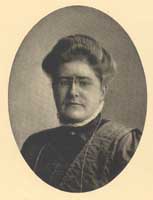
Lydia Wahlström, 1869-1954, historiker, pedagog, författare. Läs mer.

Anna Whitlock, 1852-1930, pedagog och kvinnosakskämpe. Läs mer.
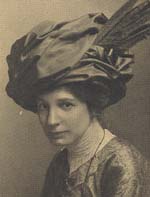
Elin Wägner, 1882-1949, författare, journalist, rösträttskämpe, pacifist. Läs mer.
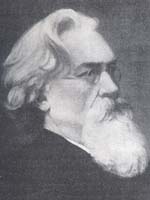
Fredrik Theodor Borg, 1824-1895, tidningsman, lärare, politiker. Läs mer.
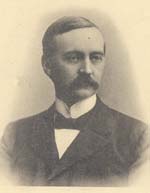
Carl Lindhagen, 1860-1946, jurist, politiker, riksdagsman. Läs mer.

Erik Palmstierna, 1877-1959, friherre, diplomat, politiker, statsråd. Läs mer.
Betydelsefulla var också:
Hilma Borelius, 1869-1932, litteraturhistoriker och aktiv i kvinno- och rösträttsrörelsen. Ordförande i Lunds kvinnliga studentförening, 1900-1903, och i Lundaavdelningen av FKPR, 1903-1908. Hon blev Skandinaviens första kvinnliga docent i litteraturhistoria, 1910. Medlem av Fredrika Bremer-förbundet, flitig skribent i Hertha.
Emilia Broomé, 1866-1925, liberal socialpolitiker och fredskämpe. Ledamot av centralstyrelsen för Stockholms frisinnade valmansförening, 1914-1920 ordförande för Föreningen frisinnade kvinnor, därefter verksam inom Sveriges liberala parti. Arbetade för bättre bostadsförhållanden för självförsörjande kvinnor och barnrika familjer. Den första svenska kvinna som deltog i lagstiftningsarbete, då hon som ledamot av lagberedningen 1914-18 medverkade i utformningen av den nya giftermålsbalken.
Ellen Hagen, 1873-1967, ordförande för FKPR i Uppsala 1903-1923. Deltog i grundandet av LKPR och var medlem av dess centralstyrelse. Fredskämpe, delegat vid nedrustningskonferensen i Paris 1931 och vid många andra internationella kongresser. Var ledamot av den kommitté som ledde sammanslagningen av de frisinnade och liberala partierna 1933-1934 och deltog i bildandet av Folkpartiets kvinnoförbund. En av initiativtagarna till Tidevarvet.
Sigrid Kruse, 1867-1950, lärarinna från Sösdala, Skåne. En av dem som ansåg att rösträttsfrågan och nykterhetsfrågan hörde ihop. Deltog på ett flertal centralstyrelsemöten. Folkbildare och flitigt anlitad föreläsare. Representerade de frisinnade i Karlskrona stadsfullmäktige 1912-1926.
Gerda Planting-Gyllenbåga (gift Lindblom), 1878-1950, aktiv i rösträttskampen på både lokal och nationell nivå, deltog vid flertalet av LKPR:s centralstyrelsemöten och var en av LKPR:s resetalare. Planting-Gyllenbåga blev den första föreläsaren för de Bergman-Österbergska kurserna 1912. Martina Bergman-Österberg hade donerat pengar till LKPR för samhällelig upplysningsverksamhet bland Sveriges kvinnor. Därigenom systematiserades och institutionaliserades folkbildningen i rösträttskampen. LKPR anställde t.ex. särskilda kursledare och gav ut egen "kurslitteratur". Planting-Gyllenbåga valdes in i stadsfullmäktige i Huskvarna genom en kvinnolista och hade praktiska erfarenheter även från den snäva definitionen av kommunalpolitik. Liksom Broomé och Whitlock var hon aktiv på hög nivå inom Centralförbundet för socialt arbete, CSA.
Augusta Tonning, 1857-1932, från Ronneby. Ingick i en mycket aktiv krets av rösträttskvinnor och deltog på nästan alla centralstyrelsemöten. Under rösträttskampen var hon, liksom Ann Margret Holmgren och Kata Dalström, flitigt anlitad som resetalare. År 1914 hyllades hon för sitt upplysningsrekord - hon hade hållit 105 föredrag, bildat sex föreningar och besökt 195 platser.
Karolina Widerström, 1856-1949, Sveriges första legitimerade kvinnliga läkare. Ordförande för LKPR 1918-1921, då rösträtten och valbarheten gick igenom. Föreläste bl.a. om kvinnohygien och sexualhygien. Engagerad i Svenska Dräktreformföreningen, bekämpade reglementeringen (laglig, av myndigheter kontrollerad prostitution) och var aktiv i Akademiskt bildade kvinnors förening, som bl.a. arbetade för kvinnors rätt till tjänster och lika lön. Widerström var frisinnad och satt 1912 till 1915 i Stockholms stadsfullmäktige.
Agda Östlund, 1870-1942, sömmerska, socialdemokrat och rösträttskämpe. Styrelsemedlem i Socialdemokratiska kvinnoförbundet 1920 till 1936. Ledamot av Andra kammaren 1921 till 1940, dvs en av de fem första riksdagskvinnorna. Arbetade framför allt med sociala frågor, bl.a. moderskapsskydd och fattigvårdsfrågor, men var också engagerad i nykterhets- och fredsrörelserna. Sakkunnig i 1925 års sjukkasseutredning.
Mer litteratur om och av personerna ovan finner du i databaserna KVINNSAM och LIBRIS.