
Kvinnor och arbete av Ulla Wikander, professor i ekonomisk historia
Innehåll
Arbete före och under den första början av den industriella förändringsperioden | Industrialisering och urbanisering, 1880-talet och framåt | Exempel på nya och gamla kvinnoarbetsområden och några betydande kvinnors insatser | Till försvar för rätt till rimliga arbetsvillkor: facklig verksamhet | Arbete och kvinnlighet
Kvinnor har alltid arbetat. Det måste sägas allra först. Kvinnor har arbetat minst lika mycket som män, för arbete är mer än det som utförs mot betalning. Låt oss dela in kvinnors arbeten på tre sätt, efter hur de har belönats. Belöning får man inte bara i pengar. Bara ett av kvinnors sätt att arbeta har betalats i reda pengar. Det betalda arbetet har ökat stadigt i förhållande till andra former av arbetsinsatser under de senaste två hundra åren. Det gäller alla och det gäller i hög grad kvinnor.
För det första har kvinnor arbetat inom hushållet: för sin familj och sina närmaste släktingar och andra närstående. Vad kvinnors hemarbete bestod av, beskrivs mer i detalj längre fram. För sitt arbete i hemmet har kvinnor belönats genom att få höra till en familj, att få en bostad, mat och skydd. Kanske har kvinnor dessutom fått kärlek och en känsla av att leva meningsfullt. Det är inte bara gifta kvinnor som arbetat inom ett hushåll. Förut gjorde döttrarna det, kanske också svärmor och gammelfaster. Sådant arbete blev betalt "in natura": kvinnor fick vad som behövdes för att leva. Att kunna arbeta så inom en familj har allt oftare varit beroende av att en eller flera andra familjemedlemmar haft ett avlönat arbete utanför hemmet.
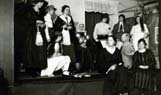
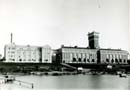
amatörteater på Svenska Tobaksmonopolet
För det tredje har kvinnor allt oftare utfört arbeten som betalats, som anställda eller fria yrkesutövare. Då har deras arbete värderats i pengar. Märkligt nog är det den sista formen av arbete som allt oftare kommit att kallas för "arbete". Den som frågar - "Vad arbetar du med?" väntar ett svar som handlar om lönearbetet. Ordet "arbetslös" är reserverat för den som inte får pengar för sitt arbete.
Under de senast 200 åren har samhället förändrats, så att mer och mer av allas arbetsinsatser har avlönats med pengar. Samtidigt har fler blivit beroende av pengar för att kunna leva. I bondesamhället kunde en gård vara nära nog självförsörjande och dess arbetare - både familjemedlemmar och andra - behövde pengar bara till sällsynta inköp. Med industrialismen förändrades detta. Alltmer tillverkades på fabriker i stället för inom familjen. Alltmer arbete betalades med pengar och pengar behövdes för att betala bostad, mat, kläder: pengar behövdes för allt det nödvändiga i livet. Och allt det roliga.
Arbete före och under den första början av den industriella förändringsperioden
Mycket av det som brukade utföras inom hushållet, i familjen, görs idag på andra platser. De tidigare hushållsgöromålen har ändrat karaktär, bortrationaliserats, industrialiserats och omvandlats till lönearbete. En stor förändring av kvinnors så kallade kompetensområden (= de arbetsområden som kvinnor bestämde över och till vilka de utbildades, ofta inom familjen) har skett under de senaste 200 åren. Vad gjorde kvinnor då?
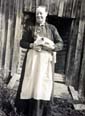
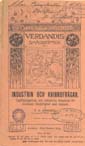
Med andra ord: en adelskvinna skulle fungera som godsets personalchef. Hon skulle planera och fördela arbetet och ha ansvaret för genomförandet. Hon hade mängder av underlydande att basa över. Vad skulle utföras på godset eller gården? Kläder för allt folk skulle tillverkas. Det skedde från grunden. Gården höll egna får och odlade linet. Ullen skulle kardas och spinnas, liksom linet. Att sedan väva tyg var ett drygt arbete. Vissa plagg skulle färgas. Det innebar att känna till växters beredning, samla in dem och få fram färg ur dem. Kläder skulle sys och fördelas. Vidare skulle försörjningen med mat planeras. Det skulle finnas nät och fångstredskap för männen. De lagades regelbundet och förnyades vid behov. Vid slakt hade gårdens kvinnor mycket att göra, liksom när skörden skulle bärgas. Får, kor, höns och grisar skulle födas upp och skötas väl. All mat måste beredas från början: kött, mejeriprodukter och bröd. Allt måste förvaras så att det inte ruttnade, surnade eller blev uppätet av råttor. Det skulle syltas, syras, torkas och saltas in. Drycker, som öl och brännvin, skulle framställas. Så småningom tillkom tillverkning av tvål och såpa samt stöpning av ljus. Alla dessa arbeten fördelade adelskvinnan bland sina anställda. Hon kontrollerade kvalité och arbetstider. De som arbetade under henne vara både kvinnor och män. Mycket arbete utfördes av kvinnor. Dessutom föll uppfostran av barn på kvinnors lott, åtminstone fram till barnet var åtta, tio år. Utöver dessa kompetensområden skulle en adelskvinna föra räkenskaper och se till att godsets inkomster - ofta i form av råvaror som skulle förvaras - och utgifter gick ihop. Hon skulle se till att underlydande levererade in vad de var skyldiga och att allt blev bokfört. Detta var adelskvinnornas arbetsuppgifter och vi får tänka oss hur de utfördes av alla som tillhörde godset.
I början av 1800-talet började förändringar märkas, enligt Andrée. Då hade "de vanligast förekommande husliga göromålen" minskat. Men de var fortfarande många på 1830- och 1840-talen. En fru Wettergrund påstod att sysslorna i hemmet var "matlagning, slakt, bakning, brygd /av öl och svagdricka/, stöp /av stearinljus/, byk /tvätt/, spinning, vävnad, sömnad och stickning. I hemmen på landsbygden bryggdes alltid ... likaså i de större hushållen i städerna." Att laga mat blev enklare när järnspisen infördes under 1800-talets mitt Tidigare hade all mat tillagats i kärl som hängde över en öppen eld på härden. Ett tungt arbete var ännu att tillverka kläder. Både ullen och linet skulle spinnas, bli till trådar. Vid mitten av 1800-talet satt kvinnor och spann på vintrarna. Det gick utan bra belysning. Vävningen krävde ljus och sommaren lång satt kvinnor inne och vävde, både sängkläder och gångkläder. Att sy kläderna var sedan den mindre delen av arbetet. Så småningom tog de borgerliga hemmen i städer och köpingar hjälp av en kringflyttande sömmerska, som under veckor eller månader fick rum och mat och någon betalning mot att klippa till och sy familjens kläder. När symaskinen infördes, också i mitten av 1800-talet, gick sömnadsarbetet fortare. Symaskinen gjorde att sömnaden av kläder ganska länge blev kvar i hemmen medan spinning och vävning långt tidigare blev utfört i fabriker, där kvinnor fick arbete, ett lönearbete.
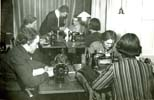
Urbaniseringen, inflyttningen till städerna, började under 1800-talet och ökade under dess sista årtionden. Den ändrade på hur man försörjde sig och bildade familj. Hemmen
förändrades. Hushållen var inte längre centraler för arbete. Inom borgarklassen förvandlades de till enklaver, dit män drog sig tillbaka för att ta igen sig från arbetslivet. Där
förväntades gifta kvinnor skapa hemtrevnad och bossa över tjänstefolket. Fruarna skulle stå för heminredning, middagsbjudningar och familjefester.
Industrialisering och urbanisering, 1880-talet och framåt
Arbetarklassen, som bestod av många som nyligen flyttat in från landsbygden, bodde trångt och i bostäderna måste många ofta sova i samma rum. Vissa kvinnor tog hem tvätt från de bättre ställda. Plaggen hängdes för torkning i boningsrummet och där ströks tvätten innan den lämnades tillbaka i slutet av veckan. Andra kvinnor arbetade som kalaskokerskor eller tvätterskor i finare familjer, dock utan fast anställning, inkallade vid behov.
För att leva i det nya samhället behövde både män och kvinnor pengar. Var och en blev beroende av lönearbete, direkt eller genom att leva med någon annan som tjänade pengar. Var detta en dålig utveckling? Många tyckte det då. Debatterna gick höga om kvinnans roll i familjen. För kvinnor tog avlönat arbetet - i eller utanför hemmet. Det såg många som ett stort problem. Kvinnans plats ansågs vara i hemmet med barnen. Men samtidigt behövdes inte hennes arbete där lika mycket som förut. Kvinnor behövde däremot pengar för att leva och de erbjöds lönearbete i fabriker och affärer. Några forskare har talat om en genuskris, andra om maskulinitetens kris årtiondena omkring 1900. Genuskris, det var att lönearbete blev en försörjningsform för kvinnor i en tid då män förväntades vara familjeförsörjare. Visst hade män och kvinnor arbetat tillsammans inom familjen tidigare men mannen hade lagligen varit kvinnans överhuvud. Detta blev inte lika lätt att upprätthålla. Ideologin om vissa människors underordning var ifrågasatt: jämlikheten diskuterades. Kvinnor frågade sig varför de inte fick bestämma över pengar de själva förtjänade. Förhållandet mellan mäns och kvinnors arbeten kom i fokus. Krisen stärktes på sätt och vis av den ekonomiska expansion som började i mitten av 1890-talet efter en lång depression. Kvinnor blev efterfrågade på nya arbetsområden av arbetsgivare som sökte billigast möjliga arbetskraft. Män ansåg att kvinnor medverkade till ett allmänt lågt löneläge. Om kvinnor låtit sig försörjas av män, skulle det blivit brist på arbetskraft och lönerna skulle ha pressats upp. Nu skedde inte det alls trots goda tider. Men lönearbetande kvinnor hade sällan något val: många var ogifta och de måste försörja sig själva och kanske även närstående.
Ibland fick kvinnor arbetsuppgifter jämsides med män och med samma lön. Men snart betalades samma arbeten sämre när de utfördes av kvinnor. Så gick det för folkskollärarna och telegrafisterna. Staten anställde kvinnor istället för män för att spara skattepengar. Att kvinnor skulle vara billigare uppfattades nästan som en naturlag. Och kvinnor tog de lägre betalda jobben för att de behövde försörja sig. Deras sämre utbildning var en av anledningarna man uppgav. En del handlade också om en förnyelse av genusarbetsdelningen på de nya arbetsområdena, just för att kunna betala några arbetare mindre. Så som staten sparade ville även den privata näringsidkaren spara på sina löneutgifter.
Många arbetsuppgifter förändrades och uppdelades i enklare och svårare moment; kvinnor erbjöds de enklare. Ett nattarbetsförbud för kvinnor i industriellt arbete infördes. Det innebar t.ex. att lönsamt nattarbete på tidningstryckerierna blev förbehållet män. Även mer skicklighetskrävande och av kvinnor utförda arbetsuppgifter - som att vara sjuksköterska, barnmorska, diakonissa, eller s.k. fabrikssyster - blev mycket mindre betalt än andra omsorgsarbeten, t.ex. det som läkare. Sjuksköterskor fick inte gifta sig och bodde på sjukhusen, inte sällan i ett rum på den avdelning där de arbetade. Utanför sjukhusområdet måste de uppträda i uniform, liksom i arbetet. Läkare fick gifta sig och bodde utanför sjukhuset med sina familjer. Kvinnor fick utbilda sig till läkare ganska tidigt i Sverige men de fick inte anställning på sjukhus utan måste öppna privatpraktik.
Summerat kan man säga att kvinnor genom den nya genusarbetsdelningen - genom själva arbetsuppgifterna - förlorade sina tidigare kompetensområden, fick ta enklare jobb och/eller blev sämre avlönade än män. Också tryggheten att tillhöra en familj, som sörjde för en vid sjukdom eller ålderdom, minskade. Vid sekelskiftet 1900 fanns i alla samhällsklasser många ogifta kvinnor. De fick försörja sig själva i en allt hårdare värld.
Naturligtvis skapade utvecklingen debatt. Det fanns röster för och emot kvinnors nya arbetsförhållanden och hur de utnyttjades. Somliga ville "lösa" problemet med kvinnors
lönearbete genom att inskränka det helt eller delvis, särskilt för gifta kvinnor, eller tidsbegränsa det på andra sätt. Men motsatsen fanns också – det hördes en kritik som
handlade om de hinder som mötte kvinnor, när de ville delta i samhällsomvandlingen. Den kritiken formulerades av kvinnorörelsen. Kravet på rösträtt var bara en av många
frågor. Kvinnor ville ha utbildning på samma villkor som män och rätt till samma yrken: från läkarens yrke till glasmästarens. Kvinnor ville få lika lön för lika arbete.
Ofta formulerades kritiken av kvinnor med utbildning men den restes även av fackligt organiserade kvinnor.
Exempel på nya och gamla kvinnoarbetsområden och några betydande kvinnors insatser
Inom teater och opera hade kvinnor haft en plats sedan tidigt 1800-tal men de hade inte bedömts som vanliga kvinnor. Skådespelerskor kom ofta från teaterfamiljer eller fattigare miljöer. De gifte sig sällan men flera hade långvariga förhållanden med män ur samhällets översta skikt. De fick underhåll, bostad och pengar till kläder. Scenkläderna, som skulle vara praktfulla, betalades alltid av skådespelerskan själv och var en tung utgift även för de bästa. Kronprins Oscar (1799-1859, sedermera Oscar I) hade till exempel ett långt förhållande med den firade Emilie Högquist (1812-1846). Hennes far, som var hovmästare hos en adlig familj, fick in henne som nioårig vid operans balettskola. Hon blev sin tids mest beundrade svenska skådespelerska. Hon var därtill vacker och behaglig. Som kungens älskarinna hade hon från 1836 till sin död en våning nära slottet, i vilken hon höll salong för Stockholms fina kretsar, med kungen som centralgestalt. Hon födde honom två pojkar som uppfostrades utomlands. Inom teatern kunde en kvinna från enkla förhållanden som gjorde karriär, accepteras i de högsta kretsarna. Jenny Lind (1820-1887) kom från fattiga förhållanden och nådde internationell ryktbarhet. Berömmelsen tog henne världen runt som operasångerska. Som välbärgad drog hon sig tillbaka tidigt, gifte sig och fick tre barn. Det fanns kvinnor som ledde resande teatersällskap, ensamma eller tillsammans med sin make. I slutet av 1800-talet förändrades de sociala normerna för skådespelerskor och blev alltmer borgerliga. De flesta gjorde då som Jenny Lind, slutade arbeta när de gifte sig för att ägna sig åt familjen. Att välja teateryrket kunde då döttrar och söner i bättre familjer tänka sig. De särskilda moraliska normerna blev mindre uttalade. Inom scenyrken hade kvinnor tidigt framträdande positioner och kunde tjäna lika bra som män.
Affärslivet i hela dess bredd skulle komma att ge kvinnor nya inkomstmöjligheter. Efter att näringsfrihet införts åren 1846 och 1864, kunde kvinnor bli egna företagare. Tidigare hade det varit svårt. Bara änkor och några andra utvalda hade fått sälja färdiglagad mat och småsaker, s.k. nipper, på gatorna. De fick bli månglerskor. För att inte ligga fattigvården till last hade de fått dispens för småskalig handel. I Stockholm fanns också roddarmadammerna, kvinnor som mot betalning rodde passagerare mellan stadens öar. Fram till slutårtiondena på 1800-talet var det svårt för kvinnor att försörja sig själva. Josabeth Sjöberg (1812-1882) försörjde sig som musiklärare medan hon flyttade runt från hyresrum till hyresrum. Hon målade naivistiska, detaljrika interiörer från hushåll och änkehus i Stockholm under dessa år, som berättar om kvinnors vardag. 1864 öppnades möjligheter och kvinnor gav sig in i på nya affärsområden; de återfanns snart som innehavare av sybehörsaffärer och fotoateljéer, utskänkningsställen och kaféer. Några gjorde karriär.
Sofia Gumaelius (1840-1915) grundade 1877 Nya Annonsbyrån, en tidig reklambyrå. Hon utvidgade senare firman till ett försäljningsföretag för tryckerimaskiner, i en tid när tryckeribranschen genomgick en stor teknisk förändring. Hennes firma blev framgångsrik. Personligen var hon engagerad i den lokala rösträttsföreningen i Stockholm ändå från dess bildande 1902. Hon blev medlem i Publicistklubben och kallades för "The first lady of the press".
Wilhelmina Skogh (1849-1926) gjorde en makalös karriär. Från anspråkslösa förhållanden kom hon till Stockholm och började som 14-åring på Strömparterren med att hjälpa till i disken. Hon avancerade inom restaurangbranschen och tog med tiden över järnvägsrestauranger i landsorten. Hon moderniserade dem. Järnvägen var framtiden och tågen stannade för att passagerarna skulle kunna gå av och äta. Hon blev sedan direktör för Grand Hôtel i Stockholm, där hon lät bygga den berömda Vinterträdgården. Nobelpriset delades till en början ut där.
Amanda Christensen (1863-1928) kom från en familj på landet till Stockholm som lärarinna i mitten av 1880-talet. Hon började tillverka kravatter och flugor för herrar, med några få anställda i Gamla Stan. Efter en resa till Paris år 1890, började hon i stor skala producera de modernaste kravatterna, gärna i siden, i vackra färger. Christensen hämtade inspiration till nya kollektioner genom utlandsresor till Frankrike och Italien. Hon gifte sig och fick en son. Firman växte, gav arbete till många sömmerskor och märkesnamnet blev Röda Sigillet. 1919 blev firman omvandlad till Amanda Christensen AB, vid Kungsbroplan.
En kritik av det som kallades för kvinnors underordning formulerades inte sällan av modiga kvinnor, verksamma på tidigare helt manliga arbetsområden. Kvinnor på dagstidningarna och i pressen blev allt fler. Kvinnor hade tidigt skrivit utifrån ett underifrån perspektiv. Man kan säga att sociala reportage var en genre som uppfanns av kvinnor. Wendela Hebbe (1808-1899) var Sveriges första yrkesjournalist och skrev från 1841 i "Aftonbladet". Hilda Sachs (1857-1935) och Maria Cederschiöld (1856-1935) skrev utrikesrapporter. Sachs var "Dagens Nyheters" korrespondent i Paris åren 1895-98 och kunde rapportera hem om internationella kvinnokongresser, debatter i den franska nationalförsamlingen och det senaste modet. Senare kombinerade hon journalistyrket med att översätta romaner. Maria Cederschiöld började som lärare, blev översättare på "Aftonbladet" och med tiden chef för tidningens utrikesavdelning. En senare kollega, Ester Blenda Nordström (1891-1948), tog anonymt plats på landet som piga år 1914, och förnyade det sociala reportaget. Artiklarna gavs ut som bok med titeln "En piga bland pigor". Den är en klassiker idag. Författarinnan Elin Wägner (1882-1949) var en i ett helt gäng tidiga "pennskaft".
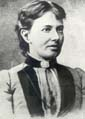
1800-talets välgörenhetsföreningar hade gett många kvinnor plats i offentlig omsorgsverksamhet utan betalning. I slutet av seklet och i början av det nya blev socialt arbete ett
lönearbete. Kerstin Hesselgren (1872-1962) var en av pionjärerna som sådan, liksom på andra områden. Hon blev först skolkökslärarinna och utbildade sig sedan i England till
sanitetsinspektör. Mellan 1912 och 1934 var hon anställd som den första kvinnan inom yrkesinspektionen. Hon blev politiker och var en av de fem första kvinnorna som tog plats i
riksdagen.
Ett idag mindre känt yrke hade en s.k. fabrikssyster. I USA kallades hon "social ingenjör". Ett "intressekontor", lett av en fabrikssyster som betalades av företaget, inrättades först vid Wettergrens kappfabrik i Göteborg. Där arbetade mest kvinnor. Att sy kappor på fabrik, inte hos skräddare, var något nytt. Intressekontoret skulle hjälpa sömmerskorna - med låga löner - att få ett bättre liv även utanför arbetet. Intressekontoret förvaltade lönen för en anställd. Pengarna sattes in där, som på en bank. Intressekontoret skötte sedan arbeterskornas fasta betalningar och satte undan pengar för återkommande utgifter. Resten kunde "medlemmen" själv spendera.
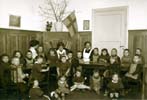
Denna verksamhet, liksom annan social verksamhet, har en dubbel sida. Det finns forskare som menar att det handlar om samhällelig vilja att kontrollera och styra, om en omyndighetsförklaring av vuxna människor. Andra forskare har pekat på att detta är en alltför ensidig förståelse av verksamheten: den innebär viss kontroll men uppskattades för att den gav råd och lösningar på problem, som utsatta kvinnor annars hade varit tvungna att lösa ensamma. Gerda Meyerson (1866-1929) hörde till entusiasterna och aktivisterna i denna verksamhet. Hon skrev entusiastiskt om Tobaksmonopolet och andra insatser i boken "Arbeterskornas värld. Studier och erfarenheter" (Stockholm 1917). Hon ger drastiska och medkännande uppgifter om arbeterskors lönevillkor och visste exakt hur det med stor sparsamhet skulle gå att leva på de knappa lönerna.
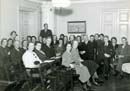
På 1880-talet hördes många krav på demokrati, på att få delta i statens affärer. Organisationer bildades av marginaliserade grupper. Viktigast blev på sikt organisationer som
utgick från den socialistiska visionen av ett klasslöst jämlikt samhälle. Den betydde mycket för dem som blev mest utnyttjade, när varuproduktion och kommersialisering ökade.
När levnadsvillkoren och utbildningen förbättrades ökade därmed medvetenheten om skillnaderna mellan klasserna. Arbetare blev allt mer radikala under detta årtionde. Och det
fanns ökad möjlighet att kritisera och förändra. Den socialistiska kvinnorörelsen var en del av denna kritiska massa. Den var lierad med den socialistiska rörelsen, ledd av män.
Men socialistiska kvinnor skulle i vissa frågor samarbeta med den s.k. borgerliga kvinnorörelsen, som inte heller den var enhetlig. Numera ifrågasätts starkt den starka skillnaden
mellan en s.k. borgerlig och en s.k. socialistisk kvinnnorörelse. De var beteckningar som skapades för att kvinnor inte skulle samarbeta över det som kallades klassgränsen och var
politiskt tillkomna. Att kvinnor hade gemensamma frågor att kämpa för visade de genom att vid ett flertal gånger sätta sig över dessa konstruerade motsättningar.
Till försvar för rätt till rimliga arbetsvillkor: facklig verksamhet
Gränsen var under dessa årtionden inte skarp mellan socialism och liberalism. Många ville lösa "den sociala frågan" genom att mildra de hårda villkoren i arbetslivet. Det sågs som en del av "arbetarfrågan", som i sin tur märktes genom oro på arbetsplatserna. Strejker eller sabotage kunde förekomma. Från liberalt håll restes krav på regleringar av arbetsrätten, vilka sammanföll med krav som restes av socialister. Under det nya seklet efter år 1900 bröts socialismen upp i fraktioner och i några mot varandra profilerade partier. I början hade socialismen förordat "klasskamp". Uttrycket väckte rädsla. Många fruktade terror och blodutgjutelse. Inom den socialistiska rörelsen var uttrycket ständigt utsatt för olika tolkningar: vad denna ”kamp” innebar var svårt att enas om. Socialisterna ansåg att kvinnor var en del av arbetarklassen. Men trots att socialismen hävdade en jämlikhet mellan alla människor, problematiserade manliga socialister inte att kvinnor behandlades ojämlikt i familjen. Inte heller fanns en säker solidaritet med lönearbetande kvinnor eller deras strejker. Enligt en allmän socialistisk uppfattning skulle ”kvinnofrågan” lösas av sig själv, när socialismen kom till makten.
För lojala socialistiska kvinnor var och förblev genusarbetsdelningen problematisk, både den på arbetsmarknaden och den i hemmen. En lösning av delar av problemet blev facklig och politisk organisering, för att i praktiken komma åt de orättvisor som fanns. Att detta gav upphov till kontroverser inom socialismen har undersökts av svenska forskare som Yvonne Hirdman och Ylva Waldemarsson.
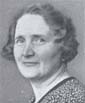
År 1886 bildade handskmakerskor i Lund en egen arbetarförening. De ville höja sina löner, har tyvärr inte efterlämnat något arkiv och upplöstes i början av det nya seklet.
I Malmö bildades en liknande förening år 1888. I den var Elma Sundqvist (senare gift med Axel Danielsson) ledande. Skåne ligger nära Danmark. Anna Jensen (1856-1939, senare
gift med Fredrik Sterky) kom över Sundet för socialistisk agitation i Skånemetropolen. Hon började som sömmerska och blev sedan ordförande i de kvinnliga herrskräddarnas
förening i sitt hemland. I Sverige blev hon journalist och politisk organisatör. Dessa var fackliga aktivister och organisatörer.
Några särskilda politiska organisationer för kvinnor ville SAP inte ha inom partiet på 1890-talet men accepterade Kvinnoklubbar. Den inflytelserika Kata Dalström (1858-1923) var emot allt tal om kvinnors "egna intressen". Hon – som de flesta - ansåg att klassfrågan var den viktiga, inte könet. Dalström kom själv en välbärgad miljö och gick 1893 in i SAP. Hon blev en uppskattad agitator, som for landet runt och talade för socialismen. Det blev andra som brydde sig om kvinnor, deras arbeten och organisering.
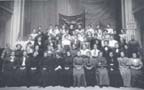
Anna Sterky var KvFs ordförande under åren 1902 till 1909. Men - då upplöstes detta fackförbund och det var inte alls enhälligt utan under tryck utifrån. Dess medlemmar skingrades, för att gå upp i fackförbund med både män och kvinnor. De flesta hade varit sömmerskor och anslöts till Skrädderiarbetarförbundet. I Danmark hade det bildats ett kvinnligt fackförbund vid ungefär samma tid. I motsats till det svenska förblev det verksamt i över hundra år.
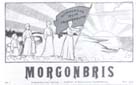
"Morgonbris" utkom som månadstidning, hade en upplaga på cirka 4.-5.000 exemplar och råkade efter en tid i ekonomiska svårigheter. Partiet gick in med ekonomiskt stöd, utgivarna själva ordnade med basarer för att få in pengar och "Morgonbris" överlevde. I tidningen kan man följa hur synen på kvinnors lönearbete och plikter i hemmet kom att förändras över tid; kvinnor som mödrar var också ett tema som togs upp.
Arbete och kvinnlighet
Kvinnor som grupp har aldrig haft ett "fritt val" att antingen stanna hemma och bli försörjda eller förvärvsarbeta. De har ofta behövt en penninginkomst, både som gifta och ogifta. Och de har aldrig kunnat räkna med att under hela sitt liv försörjas av en man; det vet änkor, frånskilda, övergivna eller de vilkas män inte klarat försörjningen av andra skäl. Det ekonomiska oberoendet blev viktigt i praktiken. Men kvinnor var som grupp hänvisade till sämre betalda, tristare arbeten. En motivering till det var kvinnors så kallade plikter i hemmet. Genusarbetsdelningen var till mäns fördel. Om den ändrats, har det ibland berott på att kvinnor krävt att få använda sin kunnighet och sin utbildning på jämlika villkor. Men genusarbetsdelningen har också förändrats därför att kvinnor varit en billigare arbetskraft och arbetet omorganiserats, delats upp i mindre moment. Med de mest monotona delarna har kvinnor fått arbete, för att de ansetts vara kvinnligt tåliga och flinka. Ibland har genusarbetsdelningen ändrats därför att det behövts arbetskraft och bara kvinnor har funnits tillgängliga.
Anledningarna till att kvinnor arbetat, för pengar eller annan belöning, har varit många. Alltid har kvinnor behandlats utifrån förutfattade meningar om vad deras biologi har för betydelse för arbetet. Kvinnor har ofta fått hålla till godo med sämre arbetsvillkor än män, inte för att de av naturen är mer tåliga eller fingerfärdiga utan för att de inte haft många alternativ att välja bland. Somliga kvinnor har opponerat sig, andra har fogat sig i genusarbetsdelningen. Det finns kvinnor som funnit sitt livsinnehåll i obetalt arbete, vilket gjort dem ekonomiskt beroende. Och så fanns alla kvinnor som behövt och lyckats tjäna sitt uppehälle på arbetsmarknaden. Med både styrka och uppfinningsrikedom har kvinnor trots motstånd lyckats erövra nya arbetsfält för att uppnå större ekonomisk självständighet.
Det går inte att tala om kvinnors positioner i arbetslivet utan att sätta dem i relation till mäns. Majoriteten av män - liksom kvinnor - har fått det bättre i Europa under de senaste 200 åren. Men kvinnors arbetsvillkor och möjligheter att få lika bra lönearbeten som män har inte lika självklart förbättrats. Kvinnor har fått rättigheter, främst politiska men också sociala. Jämlikheten i arbetslivet har ökat under 1900-talet men är långt ifrån uppnådd. Kvinnor arbetar oftare deltid än män. Dagens kvardröjande ojämlikhet har sin tyngdpunkt på arbetsmarknaden och i dess uppdelning av arbeten i "kvinnliga" och "manliga". Genusarbetsdelningen utgör numera den främsta anledning till att män fortfarande kan ses som överordnade kvinnor. De disponerar mer pengar och pengar står för makt i vårt samhälle.
Ibland sägs det att kvinnor blir som män om de lönearbetar. Men ingenstans finns kvinnor ”som män”, det vill säga på samma villkor som män, på arbetsmarknaden. Kvinnor är istället värderade efter en norm som säger hur lönearbetande kvinnor bör vara och vad de ska göra. Detta innebär dels att de helst ska arbeta med omsorg, barn, skola eller med andra "mjuka" yrken, dels att de bör vara "kvinnliga" i sitt privata liv: ha barn, baka bullar och stå för trevnaden i hemmet. De ska inte vilja göra karriär och om de avancerar blir kraven stora på en tydligt markerad kvinnlighet. Kvinnonormerna finns överallt. Kvinnor ska vara "kvinnliga" som statsråd, chefer, civilingenjörer eller snickare: gärna ha högklackade skor, lagom koketta kläder, lyssna leende, vara välfriserade varje dag. I privatlivet kan det ibland vara lättare än i arbetslivet att hävda en individualitet som avviker från normen om kvinnlighet. Men hur vi bör bete oss på arbetsplatsen tycks sätta gränser för privatlivet och motsatsen.
Stockholm, augusti 2007, reviderad maj 2009
Andra webbplatser
Arbetarrörelsens arkiv och bibliotek, ARAB, i
Stockholm, grundades 1902. Arkivet omfattar över 5.000 samlingar, varav ca 600
personarkiv. Utger tidskriften "Arbetarhistoria".
Arbetets museum i Norrköping
grundades 1991 och har som uppdrag att "dokumentera arbetet och levandegöra arbetets historia".
Kvindekilder.
Danska kvinnors historia, bl.a. om utträdet på arbetsmarknaden och kampen för
likalön.
Kvinner i fagbevegelsen :
temasider. Norska kvinnors arbetslivshistoria - kamp för rätten till arbete,
facklig organisering, kamp för likalön m.m.