
Föregångskvinnor och pionjärer
Många kvinnor var aktiva i kampen för arbete och för bättre arbetsförhållanden, både i sin yrkesutövning och genom ideellt arbete. Några av dem presenteras här.
Fler porträtt av föregångskvinnor inom utbildning och yrkesliv finner man i portalen Kvinnors kamp för kunskap.

Kata (Katarina) Dalström, 1858–1923, socialistisk agitator, kämpade för att organisera arbetarkvinnorna. Läs mer.

Kerstin Hesselgren, 1872-1962, skolkökslärare, bostads- och yrkesinspektör, Sveriges första kvinnliga riksdagsledamot, 1921-1944. Läs mer.
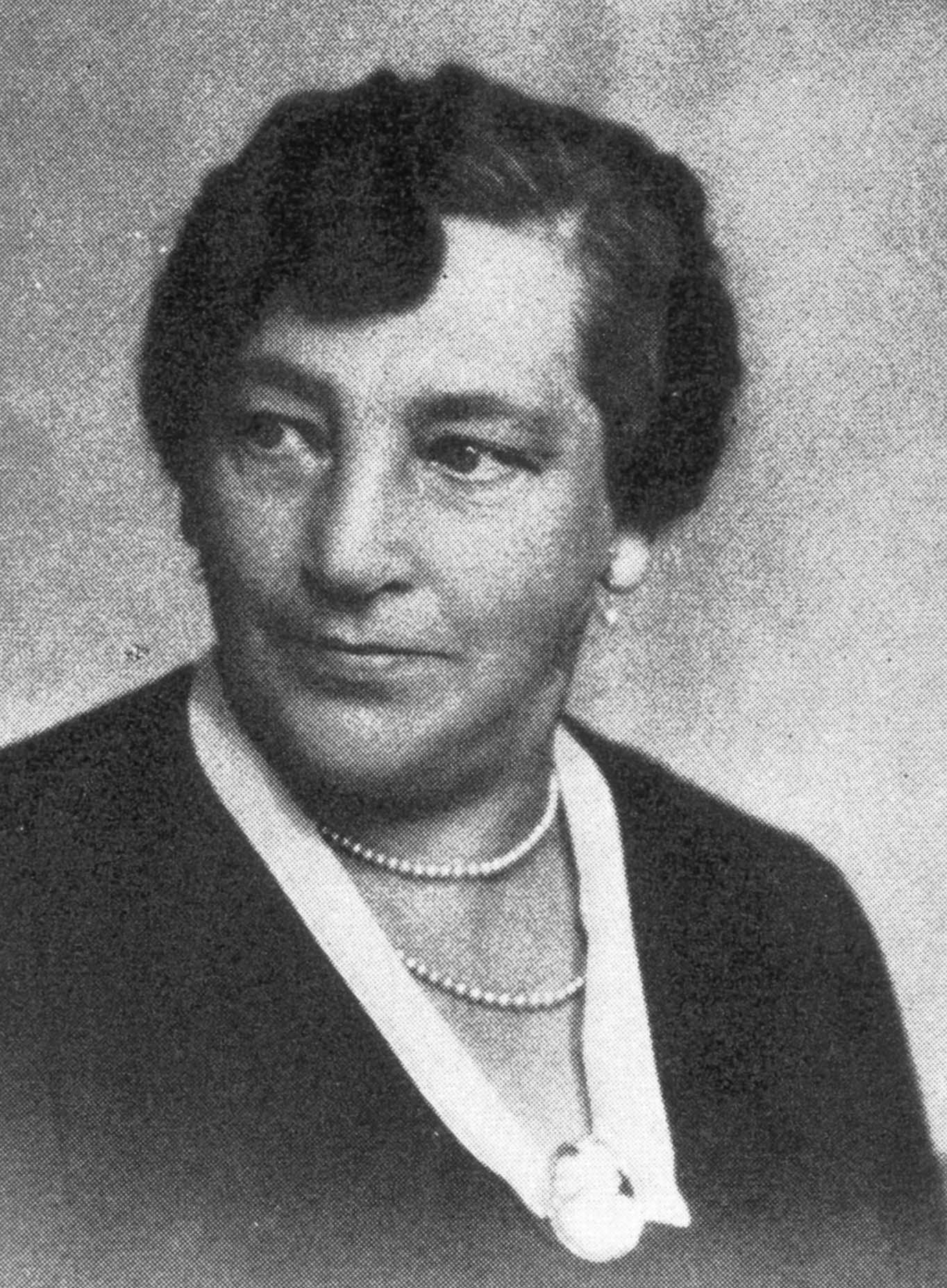
Anna Johansson-Visborg, 1876–1953, verksam inom fackföreningsrörelsen, kommunalpolitiken och den socialdemokratiska kvinnorörelsen. Läs mer.

Karin Kock, 1891-1976, nationalekonom och politiker, Sveriges första kvinnliga statsråd, 1947-1950, därefter chef för Statistiska centralbyrån. Läs mer.

Anna Lindhagen,1870–1941, socialdemokratisk politiker, journalist och fredsaktivist. Läs mer.
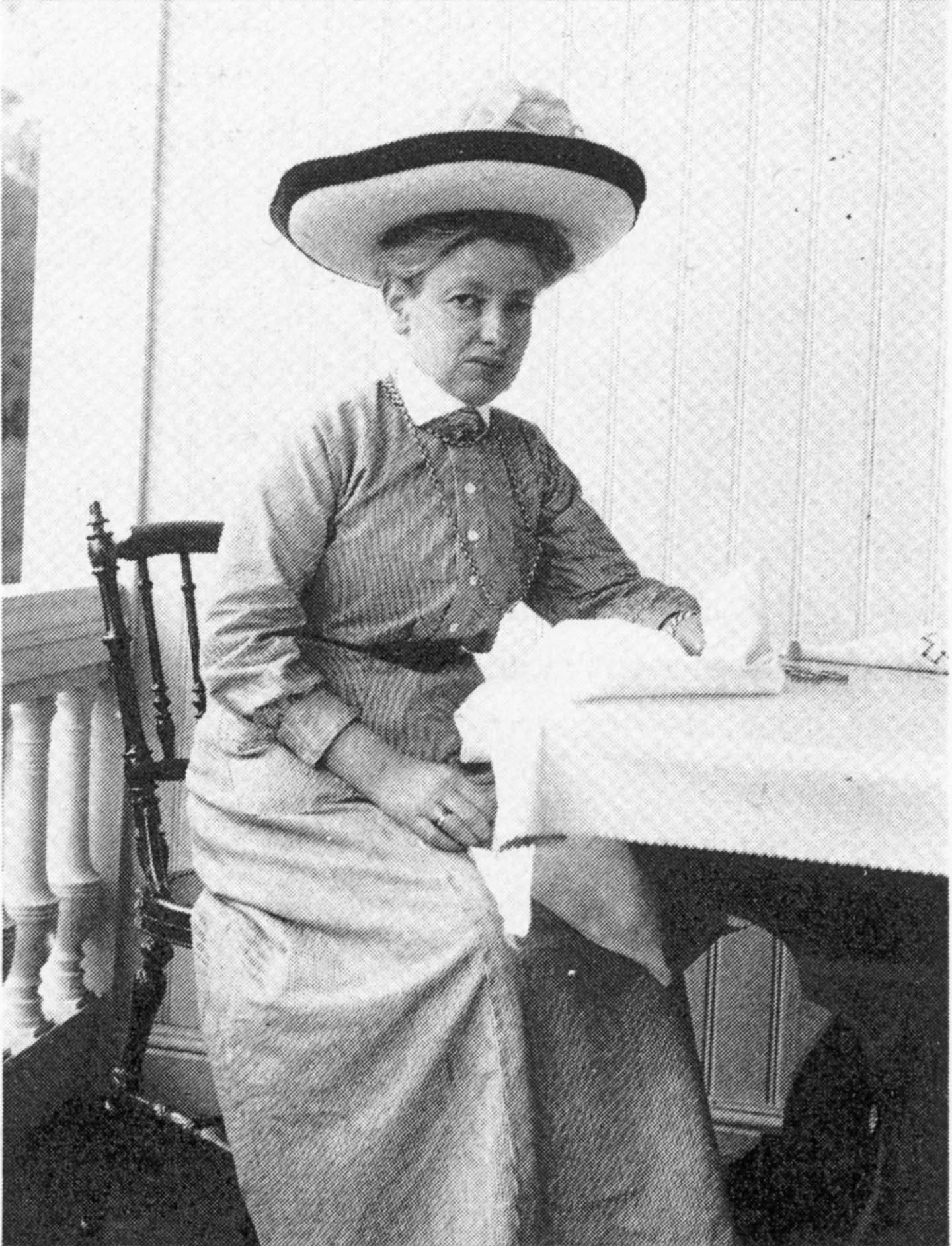
Gerda Meyerson, 1866-1929, grundare av Centralförbundet för socialt arbete, CSA, arbetade för hörselskadades rättigheter. Läs mer.
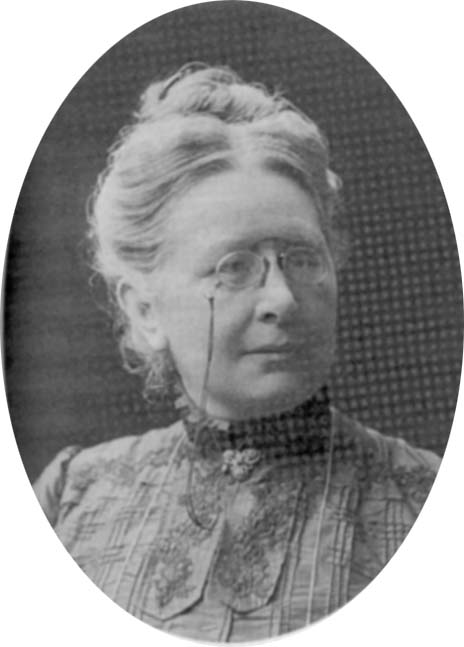
Agda Montelius, 1850–1920, socialreformator, ordförande i Fredrika Bremer-förbundet, verksam inom olika välgörenhetsorganisationer. Läs mer.

Ester Blenda Nordström, 1891–1948, författare, undersökande journalist, kartlade pigornas arbetsförhållanden. Läs mer.
Anna (Ana Catrine) Sterky, 1856-1939, socialdemokratisk politiker, aktiv inom kvinnoförbundet och fackföreningsrörelsen. Läs mer.

Herta Svensson, 1886-1981, fabrikssyster, senare personalkonsulent, vid Svenska tobaksmonopolet i Stockholm, aktiv i "stugrörelsen". Läs mer.

Bertha Wellin, 1870-1951, ordförande för Svensk sjuksköterskeförening, konservativ riksdagsledamot 1922-1936. Läs mer.
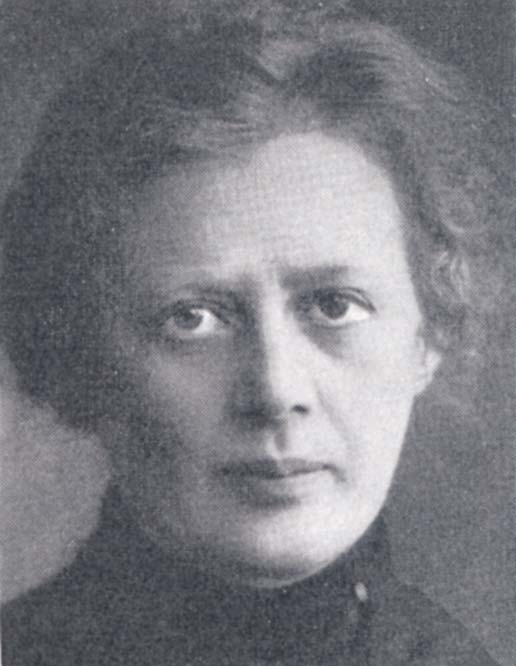
Signe Vessman, 1879-1953, sömmerska, ordförande för Sveriges socialdemokratiska kvinnoförbund, riksdagsledamot. Läs mer.
Betydelsefulla var också:
Elma Danielsson, 1865-1936, journalist, medarbetare i tidningen Arbetet 1887-1922. Hon var en av grundarna av Kvinnliga arbetarförbundet, senare Malmös kvinnliga diskussionsklubb.
Hulda Flood, 1886-1968, socialdemokratisk politiker, kringresande agitator med särskild inriktning på kvinnofrågor, ledamot av Första kammaren 1948-1949. Skrev 1939 "Den socialdemokratiska kvinnorörelsen i Sverige".
Sofia Gumaelius, 1840–1915, pionjär bland kvinnliga företagare, startade 1877 en annonsbyrårörelse i Stockholm, som blev ett av landets ledande företag inom reklambranschen. Gumaelius var en av stiftarna av Kvinnoklubben och ledamot av Landsföreningen för kvinnans politiska rösträtt och Publicistklubben.
Hanna Lindmark, 1860-1941, född i en fattig familj, utackorderad som sockenbarn, arbetade i många år som piga. Som 40-åring öppnade hon matservering i Östersund och därefter en hushållsskola i Norrköping. Hushållsskolan Margareta blev ett begrepp och fanns i tolv svenska städer. I skolorna arbetade kristna flickor som samtidigt fick sin utbildning där. I anslutning till serveringarna fanns också festvåningar och butiker för färdiglagad husmanskost. Hanna Lindmark var vid sin död en av Sveriges rikaste kvinnor.
Ellen, 1874-1955, och Maria, 1877-1948, Moberg, systrar, pionjärer inom förskolepedagogiken. Startade 1904 landets första kindergarten för arbetarklassens barn. Systrarna hade studerat vid Pestalozzi-Fröbelhaus i Berlin. 1909 grundade de Fröbelinstitutet i Norrköping och 1918 bildades Svenska Fröbelinstitutet, med syfte att "verka för en sund utveckling av de Fröbelska barnträdgårdarna". Det byter 1940 namn till Pedagogiska föreningen för förskoleåldern, PFF, och blir 1944 Sveriges Barnträdgårdslärarinnors Förbund, SBR.
Hilda Sachs, 1857-1935, lärare, översättare, journalist, författare. Utrikeskorrespondent i Paris och Rom, 1899 delegat vid journalistkongressen i Rom, första kvinna med ett sådant uppdrag. Sachs var bland dem som tog initiativet till Föreningen för kvinnans politiska rösträtt, FKPR, i Stockholm, och bevistade och rapporterade från de flesta internationella rösträttskongresserna. Hon var styrelsemedlem i Kvinnornas diskussionsklubb, grundad av Ada Nilsson, och aktiv inom Svenska kvinnors medborgarförbund. Hilda Sachs engagerade sig i kampen mot den reglementerade prostitutionen och för ensamstående mödrar och deras barn. I båda fallen menade hon att männen måste ta ett större ansvar.
Wilhelmina Skogh, 1849-1926, pionjär inom hotell- och restaurangbranschen. Började som barnflicka och blev därefter servitris. 1878 öppnade hon sitt första hotell, Järnvägshotellet i Storvik, som kom att följas av många fler. Skogh var tidig med att anamma ny teknik. Hon fick tillstånd att anlägga en privat telefonlinje mellan sina hotell "för att personalen och resande skulle kunna tala med henne personligen varhelst hon befann sig" och hon installerade ångvärme och elektricitet med ångmaskinsdrivna generatorer i hotellen. Höjdpunkten i karriären kom 1902 då hon blev verkställande direktris för Grand Hotell i Stockholm. Det byggdes om till nuvarande Grand Hotel med Vinterträdgården, vilket blev färdigt 1908. Som privatbostad lät hon bygga Villa Foresta på Lidingö.
Mer litteratur om och av personerna ovan finner du i databaserna KVINNSAM och LIBRIS.