
Den nya kvinnorörelsen under 1970-talet av Eva Schmitz, fil.dr i sociologi
Innehåll
Bakgrund | Uppkomsten av den nya kvinnorörelsen | Grupp 8 Stockholm | Första offentliga informationsmötet om Grupp 8 | 1972 | Kvinnokamp och kvinnogrupper runt om i Sverige | Kvinnorörelsens förändring | Studiecirklar och kvinnotidningar | Program - krav - aktioner | Resultatet | Läs mer |

De här raderna lästes av tusentals kvinnor och män runt om i Sverige i början av 1970-talet. Texten fanns med på den utställning som kvinnogruppen Grupp 8 visade på Moderna Museet i Stockholm i april 1972. Utställningens namn var KVINNOR och temat var produktion, reproduktion och sexism. Den sågs av över 13.000 personer under en månad och ingen tidigare utställning hade dragit så många besökare.
Texten från utställningen är ett exempel på den tidens kvinnorörelseretorik. Kvinnor uppmanades att inte längre vara passiva i sin kvinnoroll utan börja kämpa mot kvinnoförtrycket inom alla samhälleliga områden. Budskapet var vidare att kvinnor själva, antingen i sitt bostadsområde och/eller på sitt arbete skulle ta initiativ till bildandet av en kvinnogrupp.
Kvinnoutställningen blev snabbt känd över hela landet och efterfrågan var stor. Under 1972 visades den bland annat i Västerås, Norrköping, Uppsala, Vilhelmina och Köping. Hösten 1973 visades den på biblioteken i Piteå, Luleå och Gällivare-Malmberget. Året 1972 blev också det år som det nya kvinnoupprorets idéer och krav fick en allt större spridning, vilket resulterade i bildandet av nya kvinnogrupper runt om i Sverige. Kännetecknande för den nya kvinnorörelsen var dess självständighet och att den organiserades av kvinnor och för kvinnor.
Bakgrund
En rörelses bildande kan förstås utifrån en samtida ekonomisk, social och politisk kontext men också utifrån motsägelsefulla situationer som människor lever under. Historiskt har rörelser ofta uppstått som svar på andra rörelser. Perioden efter andra världskriget kännetecknades av en omfattande antikolonial befrielsekamp i Asien, Afrika och Centralamerika. Parallellt började afroamerikaner i USA organisera sig i en bred medborgarrättsrörelse i kampen mot rasismen och för sina rättigheter. I slutet av 1960-talet organiserade och mobiliserade antikrigsrörelsen miljontals, företrädesvis unga, människor runt om i världen mot USA:s krig i Vietnam.

Det fanns en tydlig relation mellan den nya kvinnorörelsen och de sociala, ekonomiska och kulturella förändringar som ägde rum under efterkrigstiden. En period som i hög grad var motsägelsefull för kvinnor, där småbarnsmödrarnas intåg på arbetsmarknaden kom att utmana en dominerande samhällelig uppfattning om kvinnan som först och främst maka och mor. Kvinnor som förvärvsarbetade blev både accepterade och fördömda.
I Sverige arbetade ca hälften av samtliga förvärvsarbetande kvinnor deltid under slutet av 1960-talet eftersom den offentliga barnomsorgen långt ifrån var utbyggd (1). 1970 hade exempelvis endast omkring 5 procent av förskolebarnen daghemsplats. Ett annat problem var att kvinnor inte hade makt över sina egna kroppar. Abort var förbjudet och i mitten av 1960-talet reste många kvinnor till Polen för att göra abort. När dessa resor fick allt för stor uppmärksamhet tillsattes en abortutredning 1965.
Allt fler kvinnor började reagera mot olika former av diskriminering i samhället och mot, som sociologen Helene Streijffert beskriver det, den mentala och emotionella förnedringen som kvinnor utsattes för. Kvinnors erfarenhet av arbetslivet, att vara ekonomiskt självständiga, och att få utveckla sina kunskaper å ena sidan och bli bemötta av fördomar, diskriminering och trakasserier å andra sidan, blev drivkraften att finna nya strategier för hur de skulle bekämpa manssamhället.
1960-talet var även en period av uppbrott från traditionella värderingar kring sexualiteten, kring kvinnors och mäns könsroller och synen på familjen. Könsrollsdebatten fick ett genomslag med liberalen Eva Mobergs uppsats "Kvinnans villkorliga frigivning" från 1961. Moberg menar att kvinnor fått sin frihet på ett villkor och det var att de fortfarande förstod att deras huvudansvar var för hem och barn. Något år senare bildades Grupp 222 av ett 20-tal politiker, akademiker och journalister som hade jämställdheten på sitt program. Dessa "jämställdhetsaktörer", som historikern Christina Florin kallar dem, kom också att bli förtruppen till det kommande jämställdhetsarbetet som den socialdemokratiska regeringen tog initiativ under 1970-talet.
Den nya kvinnorörelsen uppstod således i en period av dramatiska förändringar i människors liv och i en period av politisk aktivitet inom många områden. Det möjliggjorde ett utrymme för mobiliseringar och kollektiva aktioner, vilket spelade en avgörande roll för framväxten av rörelsen.
Uppkomsten av den nya kvinnorörelsen
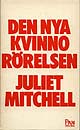
Parallellt med det nya kvinnoupproret skedde en arbetarradikalisering där krav på människovärdiga arbetsvillkor och krav på högre lön ställdes. En del av dessa kvinnliga arbetare kom också indirekt att inspireras av det nya kvinnoupproret. Lågavlönade kvinnor inom industrin, sjukvården, kontors- och servicesektorn började protestera mot såväl klass- som könsförtrycket. Grupper av kvinnor som invandrat till Sverige under 1960- och 1970-talen började organisera sig i Internationella Kvinnoföreningen.
Med de traditionella kvinnoförbunden, som Fredrika-Bremerförbundet och Socialdemokratiska Kvinnoförbundet, kom den nya kvinnorörelsen på vissa orter att samarbeta kring daghemsfrågan, sexualbrottsutredningen och kvinnoarbetslösheten.
Grupp 8 Stockholm
Under de första åren av relativ slutenhet lade Grupp 8 en grund för det som kom att bli den nya kvinnorörelsens främsta kännetecken, en omfattande studiecirkelverksamhet och utåtriktade aktioner kring bestämda kvinnokrav.

"en av våra viktigaste uppgifter är att göra kvinnan medveten om sitt eget förtryck och att tillsammans med männen arbeta för ett socialistiskt samhälle fritt från utsugning och förtryck".
Kvinnokampen handlade om att ta en utgångspunkt i de frågor och krav som berörde en majoritet av kvinnor. Kampen för socialismen sågs snarare som en långsiktig strategi.
Det första offentliga informationsmötet om Grupp 8, juni 1970
I juni 1970 bestämde sig Grupp 8 för att gå ut offentligt och se vilket intresse det fanns för att bilda en socialistisk kvinnorörelse. Gruppen hade utökats till 16 personer och dess idéer och aktioner kring såväl deltidsarbetet som kring abortfrågan hade börjat spridas i offentligheten. Våren 1970 skrevs en serie artiklar om den nya kvinnorevolten i Dagens Nyheter vilket gjorde det möjligt för fler att få såväl kunskap om det nya kvinnoupproret som om Grupp 8:s existens. Dessa artiklar skrevs av kvinnliga journalister, som ofta sympatiserade med den nya kvinnorörelsens idéer.
Inför sitt första informationsmöte spred kvinnoaktivisterna flygblad med rubrikerna "Gör motstånd - gråt inte! Var glad - gå till angrepp" (slogans hämtade från Women´s Liberation i USA) utanför typiska kvinnoarbetsplatser, vid sjukhus, affärer och tunnelbanor. Det kom ca 130 personer till mötet och de kommande åren sökte sig hundratals kvinnor till Grupp 8 Stockholm. Grupp 8 behövde aldrig aktivt rekrytera nya medlemmar utan till informationsmötena, som hölls flera gånger om året, kom ibland 50, ibland 17 och vid ett tillfälle 200 kvinnor. 1972 hade Grupp 8 Stockholm ökat från ca 16 medlemmar i juni 1970 till 470 medlemmar som var organiserade i 43 lokalgrupper. Samtidigt rapporterades i en temabulletin att flera hundra kvinnor ville bli medlemmar. Betydelsen av att gå med i kvinnorörelsen beskrev kvinnoaktivister i internbulletiner som att de "länge känt att detta behövs", "länge efterlyst Grupp 8" och "man måste slå sig samman, bli starkare, lägga upp en strategi".
En ny kvinnorörelse i Sverige var född. De kommande åren kom kvinnor i massiv omfattning att både ta initiativ, bilda eller söka sig till olika kvinnogrupper inte bara i Stockholm utan runt om i Sverige. Samtidigt som Grupp 8 Stockholm rekryterade allt fler kvinnor bildades en annan kvinnogrupp, Kvinnoligan i studentstaden Lund (läs mer under avdelningen Organisationer).
1972 - det första 8 mars-firandet, den första kvinnodemonstrationen, kvinnoutställningen och nationella kvinnokonferensen
Den 8 mars 1972 firade Grupp 8 Stockholm och Svenska Kvinnors Vänsterförbund internationella kvinnodagen på Åsö gymnasium i Stockholm. Det var det första offentliga 8-marsmötet i Sverige. Dagen efter skrev Dagens Nyheter så här:
"Det var öronbedövande när tusentals kvinnor stämde upp sina röster och sjöng ´tjejsånger´ på det största kvinnomöte svenskarna upplevt på årtionden".

Händelserna våren 1972 hade med all sannolikhet stor betydelse för framväxten av den nya kvinnorörelsen. Medlemstillströmningen till Grupp 8 i Stockholm blev allt större och från åren 1972-73 bildades åtskilliga kvinnogrupper runt om i landet. Det rådde en allmän känsla av att den nya kvinnorörelsen och dess idéer hade framgång. Ett inlägg från Grupp 8-medlemmen Ulla Torpe från slutet av 1972 ger en samtidshistorisk berättelse om detta:
"ett är säkert och det är att medvetenheten om kvinnans förtryck har ökat hos svenska folket och speciellt bland kvinnorna, det här sista året. Det märks bland debatten som äger rum idag, i massmedia, i de allt fler pocketböckerna som börjar komma ut om kvinnofrågan och de allmänna diskussionerna, människor emellan. Naturligtvis är det inte Grupp 8 isolerat som har påverkat den här utvecklingen utan vi måste också ta det internationella läget i beaktande, där kvinnofrågan nu penetreras ganska friskt, och som i sin tur har påverkat utvecklingen i Sverige."
Kulmen blev organiseringen av den första socialistiska kvinnokonferensen i november hösten 1972 på Åsö gymnasium i Stockholm. Dit kom 400 kvinnor från 26 orter. Det främsta syftet med konferensen var att ta reda på vilka grupper som fanns i landet, vad de arbetade med och vad de hade för inställning i olika frågor. Ett förslag till en nationell organisation röstades ned. Däremot beslutades att starta en nationell internbulletin och att kvinnogrupperna skulle träffas igen. Konferensen avslutades med en appell där deltagarna uppmanade till kamp under parollerna:
"Kamp mot kapitalismens arbetslöshet, Gratis daghem åt alla barn, Förkortad arbetstid för alla med bibehållen lön, Kamp mot den sexuella exploateringen, Kamp för kvinnans frigörelse."
Kvinnokonferensen 1972 lade grunden till en nationell kvinnorörelse som byggde på att kvinnogrupperna var organiserade självständigt och där Grupp 8:s handlingsprogram med bestämda kvinnokrav blev en utgångspunkt för deras kvinnopolitiska aktivism. Organisering av olika kvinnoaktioner beskrevs ofta såväl i Kvinnobulletinen som i den nationella internbulletinen och det var inte ovanligt att de fungerade som inspiration. Varje år (utom 1974) t.o.m. 1982 träffades Grupp 8-grupper och andra kvinnogrupper som sympatiserade med Grupp 8:s handlingsprogram på årliga konferenser för att diskutera såväl strategi för kvinnokampen som konkreta krav att mobilisera sig kring. Grupp 8 blev inte en nationell riksorganisation förrän 1977. 1979 antogs en gemensam programförklaring.
Kvinnokamp och kvinnogrupper runt om i Sverige
Grunden till en ny kvinnorörelse var lagd. Grupp 8 hade med sina ideologiska verktyg, som utgivningen av Kvinnobulletinen (från 1971) och utställningen "Kvinnor", skapat möjligheter för kvinnor runt om i Sverige att använda sig av dessa, både i rekryteringssyfte och synliggörande av kvinnoförtrycket. Spridningen av ordet hade m.a.o. stor betydelse för uppkomsten av den nya kvinnorörelsen, inte bara i Sverige utan även internationellt. Viktiga var också vänsterbokcaféerna som sålde de nya (och omtryckta) kvinnoböckerna, Kvinnobulletinen och andra kvinnotidningar.

I Piteå bildades en Grupp 8 hösten 1972, efter att en grupp småbarnsmödrar i åldrarna 30-35 träffats på ett opinionsmöte mot en planerad nedläggning av BB- och gynekologavdelningarna vid Piteå Lasarett under våren. Tillsammans med ortens andra kvinnoorganisationer lyckades de stoppa nedläggningen. Kampen för en utbyggnad av barnomsorgen och kvinnors rätt till arbete blev de viktigaste kraven för Grupp 8 Piteå att organisera aktioner kring under 1970-talet.
Det var inte ovanligt att en kvinnogrupp startades efter att kvinnor deltagit i en TRU-cirkel (föregångare till Utbildningsradion) eller ABF:s studiecirkel "Kvinnor och arbete". Så bildades exempelvis Kvinnogruppen i Kristianstad 1972 och Kvinnogruppen i Borlänge 1974. Den senare gjorde en egen intervjuundersökning i Borlänges största bostadsområde där de intervjuade kvinnor om deras behov av arbete och daghemsplats. Utifrån sina kunskaper om kvinnors intressen och behov drev de kvinnopolitiska kampanjer som "1000 nya jobb till kvinnor i Borlänge" och en utbyggnad av daghemmen under flera år.
1972 startade ett tiotal kvinnor i Linköping Grupp 8:s studiecirkel "Kvinnans roll i det kapitalistiska samhället" och bildade ett år senare en egen Grupp 8-avdelning. I denna grupp fanns det en studiecirkelgrupp som arbetade med alternativa boendeformer. Den blev pådrivande i opinionsarbetet för att få kommunen att bygga ett kollektivhus, något som man till slut fick igenom.
På vissa orter räckte det att en enskild kvinna satte upp en lapp på ortens bibliotek eller i varuhuset Domus med rubriken: "Ska vi bilda en kvinnogrupp?". Så startades exempelvis Kvinnogruppen i Luleå 1974, Grupp 8 i Gävle 1975 och Grupp 8 i Hultsfred och Vimmerby 1974. Den senare gruppen tog under en period kontakt med några av de invandrarkvinnor från Mellanöstern som bodde på orten och man diskuterade kvinnofrågor tillsammans.
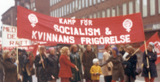
"Vad spelar lite trängsel för roll vid ett så här högtidligt tillfälle? Det måste ha varit så här det kändes när folkrörelserna drog landet runt och väckte folk för idéer som nykterhet, religion och socialism".
Detta var några exempel på kvinnogrupper från den nya kvinnorörelsen. Grupp 8 blev den dominerande kvinnoorganisationen och totalt bildades ca 30 Grupp 8-grupper mellan åren 1968 och 1979. Gemensamt för dessa var att de antog Grupp 8:s plattform. Under samma period bildades ca 25 andra kvinnogrupper som var en del av den nya kvinnorörelsen men som beslöt att enbart kalla sig Kvinnogruppen och ortnamnet, t.ex. Kvinnogruppen i Hofors. De flesta av dessa hade inte socialism i sin plattform, med argumentet att de inte ville begränsa kvinnors möjlighet att gå med i en kvinnogrupp genom att behöva ta ställning till frågan om socialism.
Under kvinnorörelsens första år fördes en intensiv debatt om vad för slags kvinnorörelse man skulle bygga upp, vilka kvinnor skulle man nå med sitt budskap, vilka krav skulle ställas - frågor som ibland ledde till splittring. Ett exempel är när en lokalgrupp bröt sig ur Grupp 8 i Stockholm 1973 och bildade Arbetets Kvinnor.
I mitten av 1970-talet bildades nya kvinnogrupper som inte deltog på Grupp 8:s nationella möten men som såg sig som en del av den nya kvinnorörelsen. Dessa var Lesbisk Front, Kvinnocentrum (bl a i Göteborg, Stockholm, Lund), kvinnohusgrupper och kulturgruppen Kvinnofolk. De rekryterade framför allt nya grupper av kvinnor men aktivister från Grupp 8-grupper blev även aktiva i några av dessa grupper (läs mer under avdelningen Organisationer).
Kvinnorörelsens förändring
Den s.k. nationella kvinnorörelsen ebbade ut i början av 1980-talet, där Kvinnotribunalen i Göteborg 1981 blev den sista större mobiliseringen av kvinnoaktivister från hela landet kring bestämda kvinnokrav. Bakgrunden till tribunalen var de ökade hoten mot kvinnors rättigheter, såsom aborträtten, men också en försämring av barnomsorgen, den ökade medvetenheten om våldet mot kvinnor och inte minst den ökade kvinnoarbetslösheten.

Studiecirklar och kvinnotidningar
Studiecirkelverksamheten blev den vanligaste aktiviteten i kvinnogrupperna. Kvinnorna ställde frågor som: Vad är ursprunget till kvinnoförtrycket? Varför är hushållsarbete "kvinnors jobb"? Varför betalas kvinnor lägre än män? Brännande frågor som krävde sina svar.

Genom studier och diskussioner fick kvinnoaktivister en förklaring till kvinnoförtryckets karaktär och kunskap om kvinnors ställning i samhället, som motiverade till politisk handling. Det stora engagemanget och aktivismen i kvinnogrupperna måste också förklaras med den upplevelse av kvinnogemenskap och kvinnosolidaritet som byggdes upp i kvinnogrupperna. För de flesta var deltagandet i en kvinnogrupp en helt ny situation och en upplevelse som de inte varit med om förut. Det handlade om allt ifrån att bli medveten om frågor som rörde sig långt bortom den horisont som flera befunnit sig innan de gick med i kvinnogruppen, till att skriva ett flygblad, att hålla ett apelltal. Den antihierarkiska och antiauktoritära organiseringen möjliggjorde allas deltagande och var en förutsättning för utvecklandet av kvinnosolidariteten samtidigt som basgruppens/lokalgruppens självständighet ibland kunde bli en hämsko för dess utveckling.
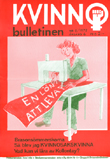
Kvinnoligans flygblad med rubriken "Vad bråkar de nu om?" och Grupp 8 Piteås flygblad "Avslöja Kvinnomyterna" är uttryck för denna utmaning. Med alla dessa både provocerande, slagkraftiga och utmanande verktyg blev det svårt för många människor att undgå att börja förstå djupet av kvinnoförtrycket och hur kvinnor systematiskt blivit hämmade, förkrympta och avhumaniserade för att passa in i rollen som hustru-moder-hemarbetande.
Intresset för kvinnokampen reflekterades också i försäljningen av kvinnotidningar. Det första numret av Kvinnobulletinen trycktes i 5 000 exemplar och var lättsåld enligt kvinnoaktivisterna. Några år senare var upplagan uppe i 15.000 exemplar. De första åren gjordes Kvinnobulletinen av olika lokalgrupper i Stockholm och senare skrevs den av en fast redaktion.

Kvinnogruppen i Oskarshamn kom ut med Kvinnor i Oskarshamn 1977 som bland annat belyste kvinnornas situation på flera av de stora arbetsplatserna i staden. En artikel handlade om kvinnors situation på LM Ericsson, där några av medlemmarna i kvinnogruppen arbetade, en annan artikel tog upp strejken på Oskarshamns varv där nio kvinnor strejkade mot könsdiskriminering.
Andra exempel på kvinnotidningar var Kvinnor i Helsingborg som gavs ut av Grupp 8 1977. De skrev om daghemskampen, kvinnors situation på arbetsmarknaden och prostitution. I Karlstad gav Grupp 8 ut "Kvinnor i Karlstad" 1979 och de skänkte 1 kr (kostade 5 kr) per nummer till Algotssömmerskorna. I Lund gav Kvinnocentrum ut tidningen Kvinnoröster.
Program - krav - aktioner

Resultatet
Den självständiga kvinnorörelsen, med sin mångfald av grupper, krav och aktioner, ebbade ut i början av 1980-talet. Då inleddes en period med ekonomisk lågkonjunktur och en ny ideologisk diskurs i samhället. Den feministiska medvetenheten fortsatte att växa, även om den breda aktiviströrelsen sakta upplöstes. De kvinnogrupper som fortsatte att existera övergick ofta till kvinnojourverksamhet, andra kvinnor blev aktiva i Kvinnor för fred, enskilda kvinnor organiserade sig i Blåställskvinnor och på universiteten växte en omfattande kvinnoforskning fram. Kampen började mer föras inom de etablerade institutionerna.
Det specifika med 70-talets kvinnorörelse var att den var en gräsrotsrörelse. Den utvecklades och spreds mycket snabbt. Kvinnoaktivisternas kollektiva manifestationer, med krav som utmanade kvinnoförtrycket i samhället, och deras ifrågasättande av den traditionella, djupt rotade, arbetsdelningen mellan män och kvinnor - i hemmet och på arbetsplatserna - ledde till ökat självförtroende hos många kvinnor som själva började handla.
Noter
1. Det var framför allt gifta svenska kvinnor som arbetade deltid och då företrädesvis inom vård, handel och service. Medan kvinnor, som kommit i samband med arbetskraftsinvandringen under
1960-talet arbetade heltid och då främst inom industrin (de los Reyes, P 2000).
2. Westman Berg var intresserad av kvinnohistoria och kvinnolitteratur och efterlyste kvinnoaspekterna, vilka den akademiska forskningen dittills saknat.
Malmö, juni 2009
Läs mer om andra vågens kvinnorörelse i Norden
Her story - Fjallkonan.is. Isländska kvinnors historia från 1874 till 2005.
Den nye kvinnebevegelsen i 1970-årene. Kvinnehistorie.no (Norge).
Kvinfos kildeoversigt for emneord: Rødstrømpebevægelsen (Danmark)